Student Management and Anti Bullying Policy
At TNPS, we believe students learn best in a safe, orderly and caring environment. We balance clear expectations with encouragement and support, helping students grow into responsible, respectful individuals.
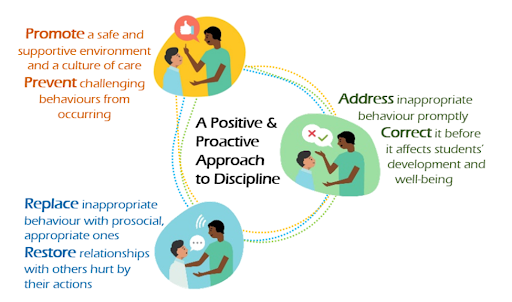
We take on a positive and proactive approach to discipline, focusing on building self-discipline, good character, and strong relationships. We guide students to reflect on their actions, learn from mistakes, and make better choices through care, corrective support, and the teaching of values and social-emotional skills.
Disciplinary actions are not meant to punish, but to help students understand consequences, take responsibility, and make amends. We emphasise fairness and growth—restoring relationships through restitution, resolution, and reconciliation.
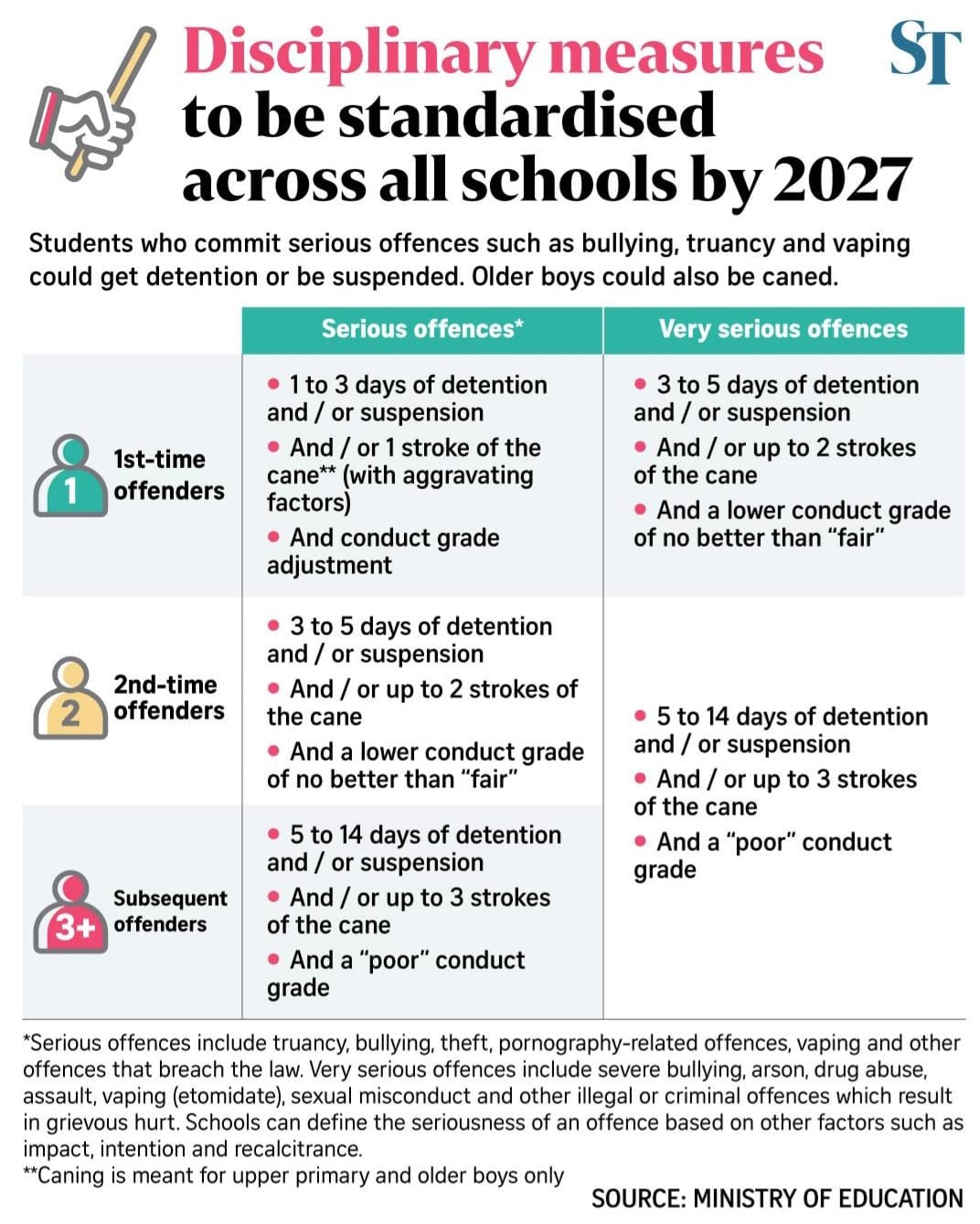
In serious cases, we take firm action to protect the well-being of all students and staff. Our goal is always to support every child’s development in a safe and respectful school community.
In enacting a positive and proactive approach to discipline in the school, we consider the three aspects.
We work closely with parents and the wider school community to nurture a culture anchored on the school values – Integrity, Care, Respect, Resilience and Responsibility. Together, we can guide our children to become confident and values-driven learners, ready to thrive in school and beyond.
Bullying
Zero Tolerance Against Bullying: Keeping Our School Safe and Kind
Our school is dedicated to providing a safe, respectful, and nurturing environment for all students. We take a Zero Tolerance Stance against all forms of bullying and hurtful behaviour, whether it happens in school, during school-related activities, or online.
We believe that every child has the right to feel safe and happy at school. We take every report of bullying seriously and act promptly with care.
Hurtful and Unacceptable Behaviours
We consider all actions that undermine the safety of our students to be hurtful and unacceptable. These actions range from one-off insensitive words or actions to persistent peer conflict and bullying.
Hurtful behaviours include, but are not limited to, actions that are:
· Humiliating: Making someone feel ashamed or embarrassed.
· Distressing: Causing someone anxiety, unhappiness, or worry.
· Insensitive: Failing to consider or respect another person's feelings.
What is Bullying?
Bullying is a repeated pattern of behaviour where a student or group intentionally targets others to cause distress. It can be cyber, physical, social/relational or verbal in nature. A[RKRR(1] single argument, disagreement, or one-off insensitive act is not considered bullying, but the school will address all hurtful behaviours seriously.
Bullying can take many forms:
|
Type of Bullying |
How It Looks Like |
|
Verbal |
Repeated name-calling, teasing, insulting, spreading rumours or making threats |
|
Physical |
Persistent in intimidating, hitting, kicking, pushing, tripping, damaging someone else’s belongings or property damage. |
|
Social |
Leaving someone out on purpose, encouraging others to exclude someone, gossiping or causing reputation damage |
|
Cyber Bullying |
Use of online technology (such as phones, computers, and social media) to repeatedly and deliberately hurt, harass, threaten or embarrass another person. |
Cyber Bullying
Common forms of cyber bullying include:
-
Sending mean messages (including flaming, which is sending angry, offensive messages).
-
Sharing embarrassing photos/videos.
-
Creating fake accounts to impersonate someone.
-
Exclusion (intentionally leaving someone out of an online group or conversation).
-
Denigration (spreading rumours or damaging someone's reputation online).
-
Cyber Stalking (repeatedly sending harassment and intimidation).
-
Trickery (getting private information from someone and then sharing it).
-
Doxxing (broadcasting private identifying information about an individual without their consent).
The school treats cyber bullying with the same Zero Tolerance Stance as all other forms of bullying.
What to Do: Reporting Bullying
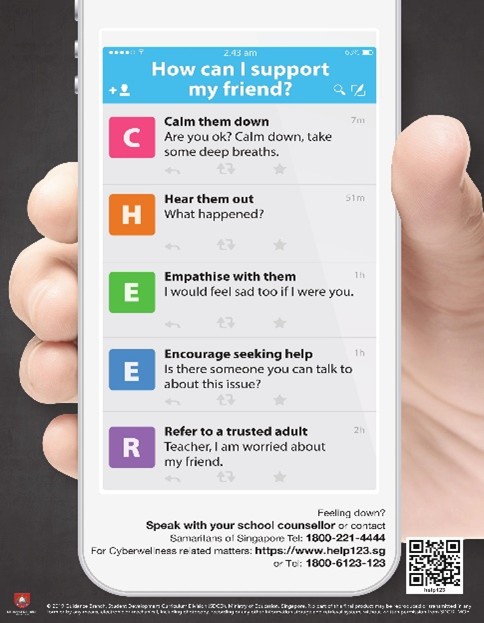
If you are being bullied, or if you see someone else being bullied (a bystander), it is important to speak up! Do not handle it alone or with your friends, and do not retaliate. Getting help is a sign of strength.
Reporting Channels for Students:
-
Tell a Trusted Adult IMMEDIATELY:
-
Your Form Teacher or Subject Teacher
-
Your School Counsellor
-
The Principal or Vice-Principal
-
Any other staff member (e.g., Discipline Master, staff at the General Office).
-
-
Tell Your Parents/Guardians: They are our partners and can help report the incident to the school.
-
For Cyber Bullying: Always report the harmful content to your teacher/parent, and where possible, block the bully and report the post/user to the online platform/service provider. Do not forward or share the content.
Helpful Numbers
Tinkle Friend (Hotline for Children)
Tel: 1800 274 4788
Help123 Cyber Wellness Hotline
Tel: 1800 612 3123
TOUCHline by Touch
Tel: 1800 377-2252
Helpful Websites
eCounselling Centre (http://ec2.sg)
metoyou Cyber Counselling (http://metoyou.org.sg)
Help123 Cyber Wellness Online (www.help123.sg)
Partnership with Parents
Parents are our most critical partners in instilling positive values. We seek your support to:
-
Reinforce the values of kindness, empathy, and respect at home.
-
Discuss the importance of cyber wellness and respectful online behaviour with your child.
-
Observe your child for any sudden changes in mood, reluctance to attend school, or changes in eating/sleeping habits, which could signal they are being bullied or are struggling.
-
Work closely with the school when an incident occurs to support the necessary disciplinary and educative actions.
Student Wellbeing
Happy, Healthy, and Ready to Learn!
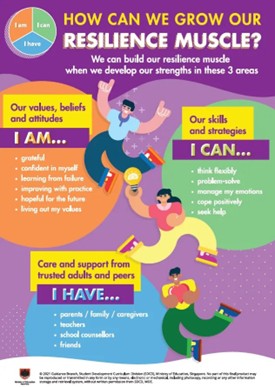
Our school believes that when you feel safe, happy, and well, you learn best. Student Wellbeing means looking after your body, your feelings, and your relationships with others.
1. Taking Care of Your Body
Your body needs good fuel and rest to keep your brain working!
-
Healthy Eating: Bring a healthy lunch and snacks every day. This gives you the energy you need for playing and learning. Remember to always bring a water bottle and drink lots of water!
-
Getting Active: We have playtime and Physical Education (PE) lessons to help you move! Running, skipping, and playing games keeps your body strong.
-
Good Sleep: Make sure you go to bed early! Getting 9 to 11 hours of sleep each night helps your body and mind rest and grow.
-
Germ-Busting: Always wash your hands with soap and water after using the toilet and before eating. If you are feeling sick, you need to stay home to get better and stop germs from spreading.
2. Caring for Your Feelings and Mind
Everyone has feelings—happy, sad, excited, or frustrated. That's normal!
-
Sharing Your Feelings: If you have a problem or are feeling upset, it's okay to talk about it. You can talk to your teacher, a specialist teacher, or the school counsellor. We are here to listen!
-
Managing Worries: If you are feeling worried, try taking three big, slow, deep breaths. You can also ask your teacher for a quiet moment.
-
The Power of Kindness: Being kind to yourself and others is key to happiness. If you make a mistake, it's okay—just try your best next time!
3. Being a Good Friend and Classroom Citizen
Wellbeing also comes from having good relationships with others in our school family.
-
Respect and Inclusion: We treat everyone in our school with respect. We always use kind words and remember that everyone is different and special.
-
Anti-Bullying Promise: Our school has zero tolerance for bullying. Bullying is when someone hurts another person’s feelings or body on purpose and more than once. If you see bullying or it happens to you, you must tell a teacher right away! We will always help.
-
Solving Problems: If you have a disagreement with a friend, try to use calm words to talk it out. If you can't solve it, ask a teacher to help you both find a fair solution.
4. What to Do When You Have Big Feelings (Coping Strategies)
Sometimes, feelings like sadness, frustration, or worry can feel very big inside us. It's important to have a plan for how to handle these moments.
Here are some strategies you can use when you feel a negative emotion coming on:
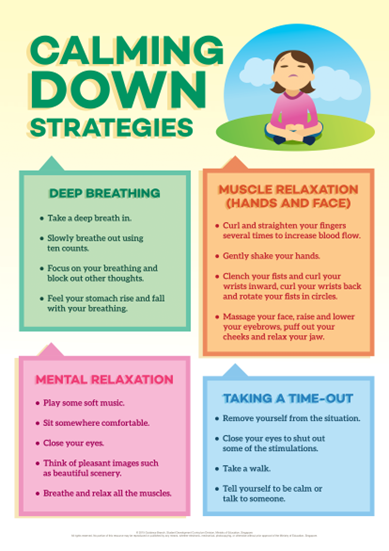
Remember: Everyone needs help sometimes. Using these strategies is a sign of being strong and smart! If a feeling is too big to handle, the best thing to do is to talk to a trusted adult (a teacher, school counsellor, or parent). We are always here to help you feel better.
Who Can Help Me?
Remember, you are never alone! If you need support, you can talk to any of these trusted adults:
-
Your Form Teacher
-
The School Counsellor
-
Any Teacher or Staff Member you feel comfortable with
-
Your Parents/Guardians
-
Tinkle Friend